

Latest News
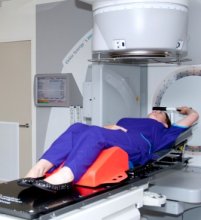
A lower total dose of radiotherapy, delivered in fewer, larger treatments, is as safe and effective at treating early breast cancer as the international standard dose, according to a major study.
The results of the Cancer Research UK START trial, which involved nearly 4,500 British women, were presented at the recent San Antonio Breast Cancer Symposium.
The ten-year follow up results supported the initial five year results which showed that it was just as effective and safe to give women a lower total dose of radiotherapy in fewer, larger treatments than the 25-dose international standard.
The new treatment routine also resulted in less damage to normal breast tissue, involved fewer trips to hospital, and offered cost savings for the health service.

New Zealand women with triple negative metastatic breast cancer may be eligible to participate in a clinical trial examining the benefits of the drug Tamoxifen to control the growth and spread of cancer cells.
About 15 per cent of all breast cancers are defined as triple negative, which means the cancer is not driven by either of the hormones oestrogen or progesterone, nor by the HER2 protein.
Triple negative breast cancer is often more aggressive than other types of breast cancer and women may have a poorer prognosis because the disease is more likely to spread to other parts of the body.

Breast Cancer Network is losing one of their longest standing committee members.
From 1975 to 1996 Barbara was a scientific officer for the Auckland Breast Cancer Study Group and then employed on a Health Research Council Grant studying insulin-like growth factors in breast cancer. During this time Barbara Holt invited Barbara to meetings of Breast Cancer Network (then known as Breast Cancer Action) and she has been on the committee since 1998. Leaving oncology nursing and entering research satisfied Barbara's desire to contribute to prevention and cure of cancer.

New research results show that women with oestrogen receptor positive breast cancer who take the drug tamoxifen for ten years rather than five, have a reduced risk of breast cancer recurring and better overall survival rates.
The findings of the ATLAS (Adjuvant Tamoxifen – Longer Against Shorter) study were presented this week at the renowned San Antonio Breast Cancer Symposium.
Tamoxifen is currently given to both pre and post-menopausal women and helps to prevent oestrogen receptor breast cancers from growing. It is usually given to women for at least five years.

What to do about your job while you have treatment for breast cancer can be a further stress for many women who are faced with a breast cancer diagnosis.
Many women worry about telling their employers about a diagnosis of breast cancer. And the list of concerns can be long:
• How much time will I need off for treatment?
• Will my employer allow me to take extended leave?
• Will my employer keep my role open for me?
• Do I have income insurance if I want to take time off?
• Will I be able to do my job when I return?
• How will I live without my income?
• Will my colleagues treat me differently when I return?
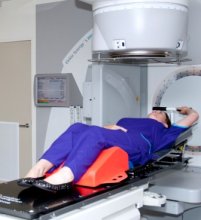
A clinical trial comparing a shorter course of partial breast irradiation with standard whole breast irradiation has found that those who received the faster partial treatment were more likely to report side effects and poorer cosmetic outcomes.
New Zealand women were involved in the RAPID clinical trial which compared partial breast irradiation given twice daily over five to eight days with whole breast irradiation given daily over three to five weeks.
The latest results come after a three-year follow-up in which nurses, oncologists and the women concerned were asked to rate the cosmetic outcome of the treatment as excellent, good, fair or poor.

The quality of a woman’s social networks — the personal relationships that surround an individual — appear to be just as important as the size of her networks in predicting breast cancer survival, scientists report in the current issue of Breast Cancer Research and Treatment.
Previous research has shown that women with larger social networks—including spouses or partners, female relatives, friends, religious and social ties, and ties to the community through volunteering — have better breast cancer survival. This study is among the first to show that the quality of those relationships also is important to survival.

Breast Cancer Aotearoa Coalition committee member, Julie Graham, attended the recent Breast cancer Network Australia Strength to Strength National Conference.
More than 600 women from around Australia and the world attended the conference in Sydney which brought together health professionals, researchers and women with breast cancer to listen, learn and debate the key issues in breast cancer treatment and care.

Join fertility expert Mary Birdsall at the BCAC Annual General Meeting on November 16 2012 for a rundown on the latest in fertility options for young women with cancer.
Dr Birdsall is the Medical Director of Fertility Associates, and will update us on this fast-moving area of medical technology, including options for freezing eggs, embryos and ovarian tissue.

New research from the Netherlands shows that the switch from screen film mammography (SFM) to digital mammography (DM) in large, population-based breast cancer screening programs improves the detection of life-threatening cancer without significantly increasing detection of clinically insignificant disease.
Results of the study are published online in the journal Radiology.
Digital Mammography's higher sensitivity at detecting breast cancer raised concerns that its introduction into screening programs would increase the diagnosis of clinically unimportant cancers—cancers that, if left undetected and therefore untreated, would never have surfaced clinically in the person's lifetime.


