

Latest News
A breast cancer diagnosis and treatment is not a journey that is made alone. The woman diagnosed takes her husband, partner, children, parents, siblings and friends with her.
If you’re supporting a woman through breast cancer, on these pages you'll find some tips on how to help her and some advice on how to cope yourself.
A diagnosis of breast cancer, the subsequent treatment and life afterwards is not just physically tough - it takes a psychological and emotional toll as well.
It’s important to have support throughout the different phases of your breast cancer journey.
Below you’ll find information on coping with a new diagnosis and the physical, emotional, and financial challenges breast cancer can force you to face.
On these pages you'll find more information about how and where to get support as you undergo treatment for breast cancer. We've also provided information about support for different groups of women.
For a full list of BCAC's member groups and the support they offer please click here.
We hope you'll find the information and the groups we refer to helpful in making your breast cancer journey easier.
The early detection of breast cancer can save lives. Discovering a tumour early and beginning treatment as soon as possible is the best way to ensure you survive a diagnosis of breast cancer.
On these pages, you’ll find more information about breast cancer risk and the different ways to detect breast cancer.
There are many different treatment options for breast cancer. In this section, you’ll find more information about the different types of treatment.
BCAC has made every effort to ensure the accuracy of the information on this site, but there is no substitute for the expert advice of your medical team. If you are unclear about something or require further information, ask your doctor.
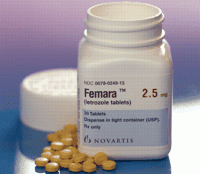
More than 1,700 post-menopausal women who have been treated with hormonal therapy for more than four years are invited to take part in this clinical trial run by the Australia New Zealand Breast Cancer Trials Group (ANZBCTG).
The study examines whether being given the drug Letrozole a year or more after completing hormonal therapy can prevent or delay breast cancer from recurring in postmenopausal women.
It is already known that Letrozole can help to prevent breast cancer from recurring if it is taken soon after diagnosis. The LATER study will determine whether it is effective if taken a long time after diagnosis and after hormonal therapy.


