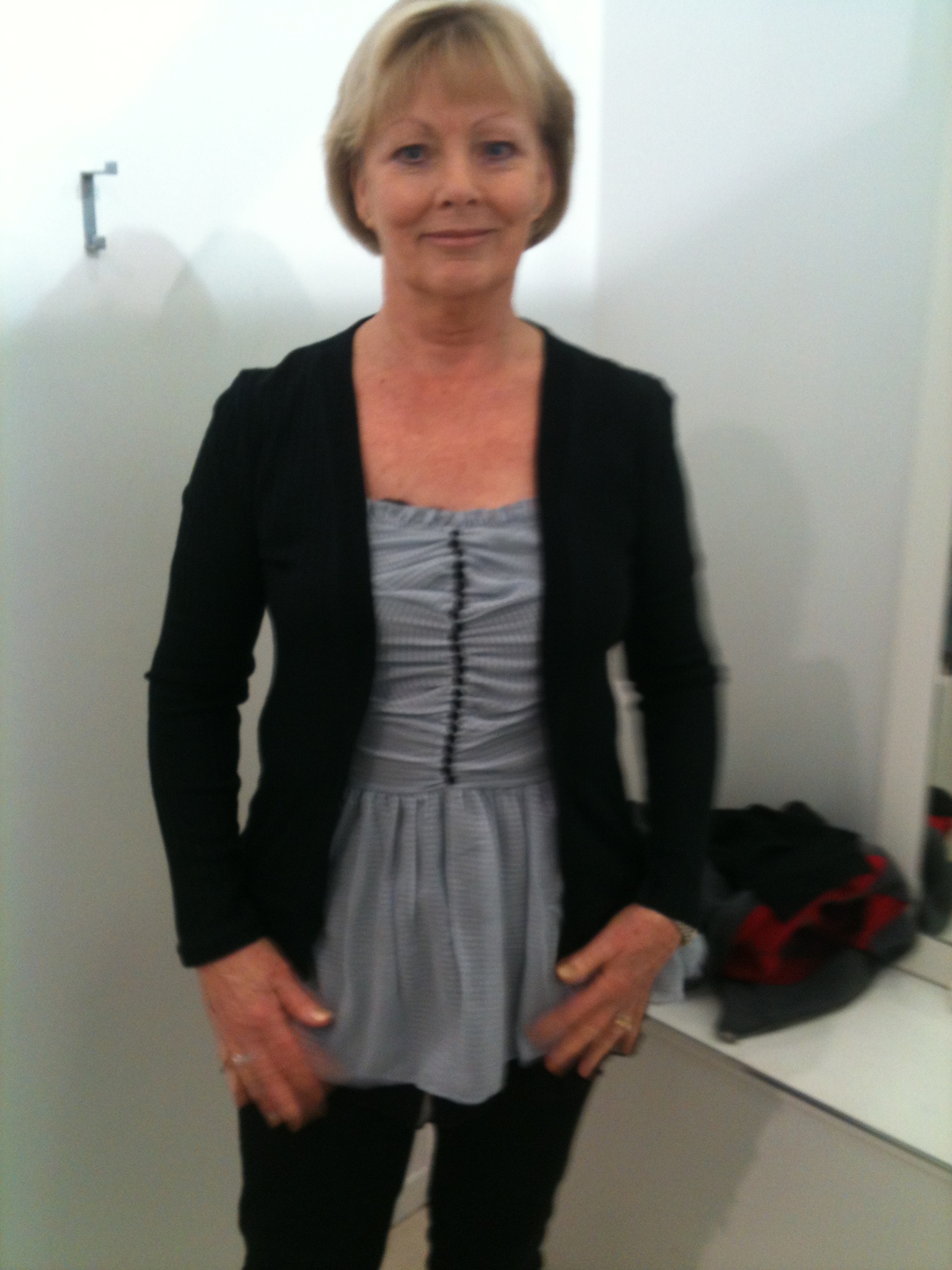
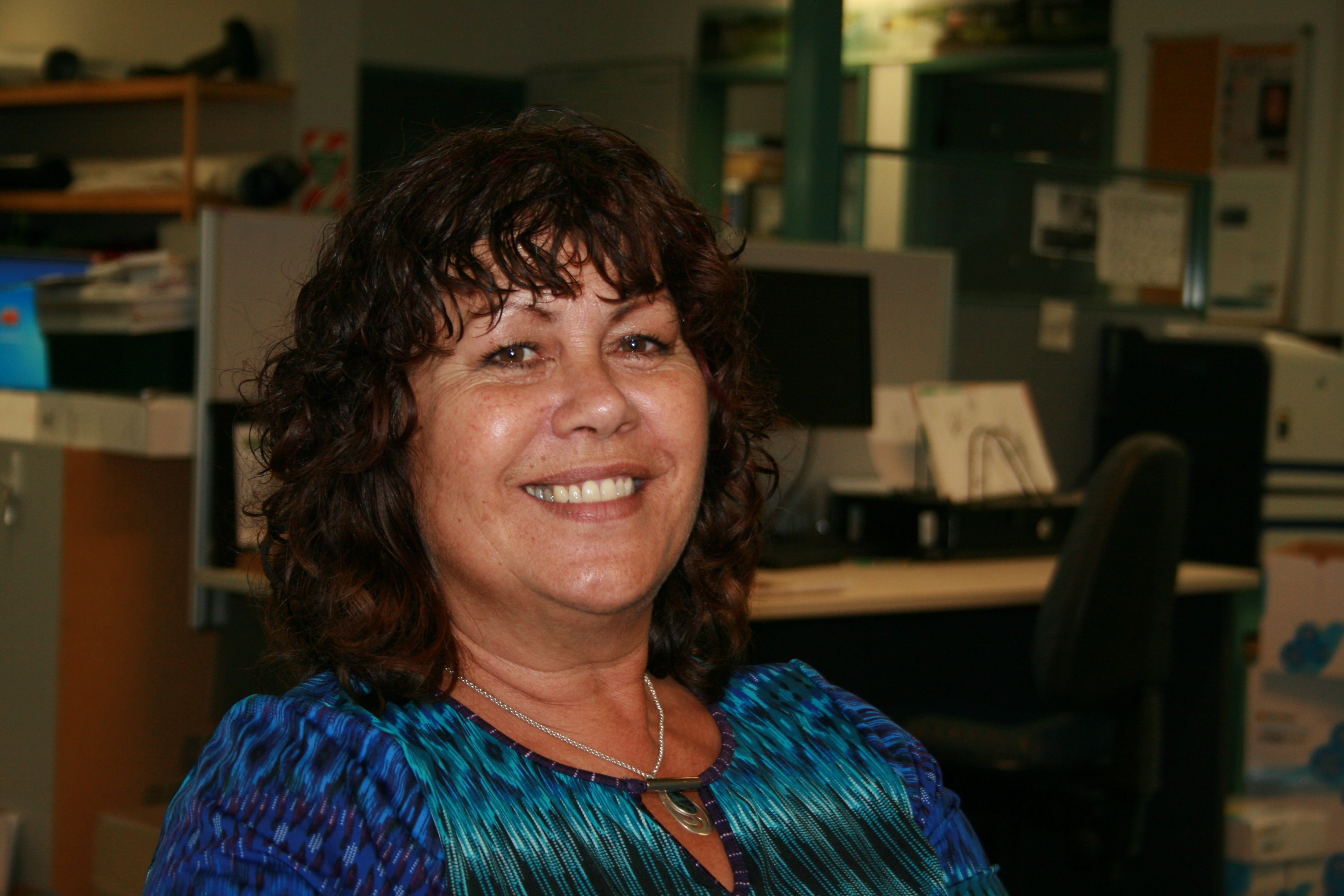
Rosina Watt: "Share your experience – it helps to talk"


On a typical Wednesday afternoon in 2012 Rosina Watt, then aged 65, went to see her GP about a harmless cyst on her neck that had been there for many years. During that consultation her doctor suggested she do a breast exam “while you are here”.

That was a suggestion that probably saved Rosina’s life. The doctor found something in Rosina’s breast that didn’t feel right so referred her for a mammogram.

Rather than waiting to have her mammogram in the public system, Rosina decided to have it done privately and immediately as she didn’t like the idea of waiting to find out if something was wrong. The mammogram was followed by an ultrasound and then a biopsy.

The radiologist called Rosina on Thursday evening to say she needed to speak to a breast surgeon as she had a four centimetre tumour in her breast. Rosina’s husband was in the United Kingdom at the time. When Rosina rang to tell him the news he said he would come home straight away but Rosina put him off saying let’s wait to see what the surgeon says on Monday.

Rosina’s daughter accompanied her to that breast surgeon’s appointment and the surgeon was half-way through explaining that Rosina needed a full mastectomy when there was a knock at the door. It was Rosina’s husband – he had ignored her suggestion to wait and had flown from the UK immediately, driving from the airport directly to the surgeon’s rooms.

That gesture of support still moves Rosina to tears.

Later that week Rosina had the mastectomy – something she didn’t hesitate to do: “I just wanted it out of me,” she says. Now Rosina and her husband have retired and live in Ohope, Rosina takes tamoxifen and believes life is good.

Rosina’s positive attitude is even more remarkable given the fact that at the same time as her diagnosis, her step-son, Andrew, aged 37, was very sick with bowel cancer and eventually died. During his illness his wife began her own battle with breast cancer. She was 42 when diagnosed and has now thankfully fully recovered.

With fate dealing you this many blows many people would simply want to retreat from the world, but Rosina wants to share her story in support of the Breast Cancer Aotearoa Coalition’s (BCAC).

“I received BCAC’s great Step by Step support pack and this is my opportunity to share my experience as a way of helping others – I know when I read breast cancer stories from other women it always makes me feel more ‘normal’.”

“I really believe it helps to talk and share your experience. And don’t be afraid to ask for help if you are struggling to deal with anything.”

Despite wonderful support from her husband, her children, colleagues and others around her, Rosina realised she needed professional help dealing with the emotional fallout from her illness. She says, “The counselling I eventually sought from the Cancer Society was amazing and really helped me.”

And she has another message for women: “Be vigilant. What my doctor found in my breast I hadn’t noticed and I did do self-examinations and had regular mammograms. Don’t be afraid to ask for your doctor’s help - get a regular breast exam as well as the mammograms.”

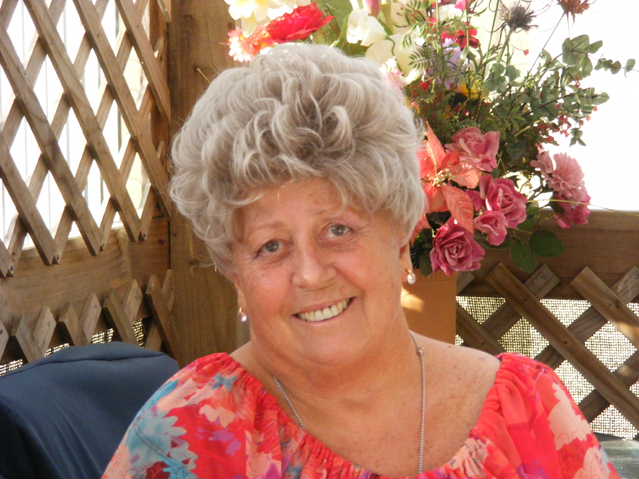
Judith Turner: "I’ve got plenty of years left in me."

Judith Turner had her very last free mammogram when she was 69 and that mammogram picked up breast cancer.

The 71-year-old was diagnosed in February last year and she was immediately scheduled for a mastectomy.

The Northland woman coped well with the surgery, but a mere seven-months later she noticed a lump in her other breast and immediately sought medical advice.

“I felt this lump and I thought that’s strange and it’s sore, so I saw my GP and I had another mammogram and it was Grade 3 cancer so I had another mastectomy.  I went in before Christmas and I was lucky enough to be discharged on Christmas Day,” Judith says.

She was offered chemotherapy and says she didn’t hesitate to say yes to the treatment.

“I was quite shocked to be diagnosed with breast cancer a second time, but I didn’t need to think about the treatment.  I mean I’ve got another 10 or 15 years of life left, why give it away? I want to do everything I can to improve my chances so I can live my life and get back to my art and craft and all the other things I love to do.

“I hear about older women who say they don’t want to do chemotherapy, but I don’t understand that.  Every hour, every day is a precious moment of living so you have to do everything you can to look after yourself and take care of your health.”

Judith says she’s coped “remarkably well” with the chemotherapy treatments and sees them as just twelve weeks out of her otherwise active and full life.

She lost her hair, but has been thrilled with her wig and says she gets lots of compliments on her new hairstyle. 

“I notice people staring at my hair and they say how good I look and I don’t tell them it’s a wig.  I just let them just think it’s my new hairstyle,” she laughs.

Judith has used BCAC’s Step by Step support and information pack throughout her breast cancer journey and says it helped her get through her treatment.

“The Step by Step was primo!  It was absolutely wonderful and I used all the books. I wrote in the journal faithfully every day and I just felt the Step by Step helped to keep me grounded,” she says.

Judith wants other women her age to know that you’re never too old to get breast cancer.

“I believe women tend to think that they won’t get breast cancer as they get older, but you can.  So all women need to be aware of their breasts and any changes in them,” Judith says.

She says the support of her family and friends, lots of outside interests and a positive attitude has helped her cope with her breast cancer diagnosis and treatment.

She hopes that by sharing her story other women will act early on any breast changes.

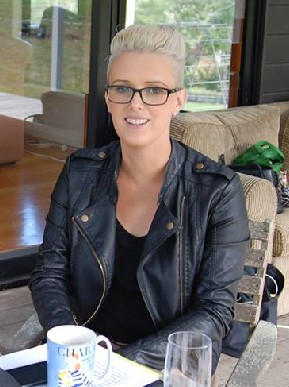
Emma Crowley: “Don’t be naïve enough to think it won’t happen to you.”

The day after Emma Crowley had organised a fundraising morning tea for a breast cancer charity, the then-24-year-old discovered a lump under her arm.

She asked a friend for advice.  They both thought it was probably swollen glands or some other innocent explanation, but Emma went to her GP to get it checked out.

Her GP referred her for an ultrasound, which led to a biopsy and four days later Emma was called to come in and speak with her doctor.

The Human Resources Executive for law firm, Baldwins, was in Wellington for work and told her doctor she couldn’t come in for a few days.

“I was too busy thinking about my normal life.  I’d vaguely thought that the worst case scenario might be cancer, but I just didn’t think it could happen to me,” Emma says.

So not expecting the worst, she went to her doctor’s appointment with her then four-year-old daughter in tow.

“The doctor said you have cancer and I was kind of in shock.  I said let’s just get them off because I have uni exams coming up.  I just did not realise how serious it all was,” Emma says.

Emma’s tumour was extremely aggressive and had already spread right though the breast and into the lymph nodes, which is why she’d discovered a lump under her arm.

A family friend, who had had breast cancer, contacted an oncologist and within a week of finding the lump, Emma was speaking to him about starting chemotherapy treatment.

She had an experimental regime of chemotherapy prior to having surgery and had to pay for a drug which is not subsidised in New Zealand for women with early breast cancer.

As a young woman, Emma’s oncologist spoke with her about the impacts of chemotherapy on her fertility, but warned her that because the cancer was so aggressive she needed to make a decision almost immediately as there wasn’t much time to pursue fertility treatment if that was something she wanted to do.

“I just thought I need to stay alive for the child I’ve already got, rather than worry about future children at this point.  I don’t regret that decision at all and my oncologist was confident that because I’m young my fertility will eventually return to normal,” she says.

After six months of chemotherapy, her oncologist could barely feel the tumour in her breast anymore.  She then had a mastectomy, radiation treatment and a further six months of Herceptin® treatment.

“In the beginning, I did find the chemo really hard and it wasn’t helped by the fact that my partner Wayne had just started nightshifts so I was alone at night.  A friend or family would usually come over and stay with me because I was just really anxious otherwise.”

Emma did go and see a counsellor to help her deal with the emotional fallout of a breast cancer diagnosis at such a young age, but says she mostly coped by being very practical about what she needed to do.

“I guess I do feel a bit of resentment because I’ve had to go through all this at such a young age.  But I kind of feel like I’ve done my time and I’m more resilient and determined because of it,” Emma says.

She has just recently had a breast reconstruction because she didn’t want to be “one-sided”.

“I guess because I have my partner Wayne and my daughter Caroline I didn’t really care too much about the breast reconstruction.  I mean they weren’t my best assets anyway,” she laughs.

Emma says she still worries about the breast cancer returning, but tries to reassure herself with her oncologist’s words that her “odds are good.”

Now, nearly a year-and-a-half after first finding the lump under her arm, Emma wants to warn other women not to be complacent about breast health.

“Don’t be so naïve to think that you’re safe or that it won’t happen to you. Breast cancer can get you at any age. Be aware and always get any change checked out by your doctor.”


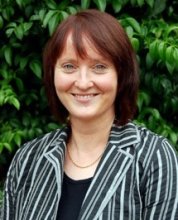
Ally Armstrong: Passionate about improving women’s breast health


Ally Armstrong was 47 when she was called up to have a routine mammogram as part of the BreastScreen Aotearoa free screening programme for women aged 45 to 69.


Ally duly went for her mammogram, but was asked to come back for a follow-up mammogram and a biopsy. 


This didn’t raise a red flag for the Hamilton mother-of-six, who had found a lump in her breast several years earlier which turned out to be nothing.


But that all changed when she was called in for her results.


“The doctor started talking to me and said the word ‘cancer’ and that was it, I didn’t hear anything else after that.  It was like I was not even there, I was just in shock. And then the tears started.  My mum died of cervical cancer so to me cancer was a death sentence,” Ally says.


Ally then had a lumpectomy, followed by chemotherapy, radiation therapy and Herceptin treatment.


The self-confessed research fanatic read everything she could about breast cancer and also used BCAC’s Step by Step information and support pack.


She documented her breast cancer journey in photographs, taking images of her wounds and her body as it changed throughout treatment.


“I just wanted to know everything there was to know and I was fascinated by my body and my recovery and I wanted to record that in some way.  I also kept a journal which has been great because I can look at it and know ‘I went through all this, but I’m here now’.  That’s got to be a good thing,” Ally says.


She found the chemotherapy treatment difficult and suffered several complications along the way, but says she tried to remain positive throughout.


“I had two weeks of self-pity, ‘why me’ and ‘this is not fair’ and then I thought I need to turn my life around, find out what I’m facing and beat it.  I didn’t choose to get cancer, but I was damned if I was going to sit around and let it beat me.


“I was always a firm believer that that there was someone worse off than me so I was just grateful to be coping with what I was coping with. My family and my husband were just fantastic and my colleagues were amazing and allowed me great flexibility so that I could continue working.”


Ally says her experience has made her passionate about encouraging other women to take care of themselves and remain vigilant about their breast health.


“My breast cancer would never have been picked up by feel.  It could only ever have been identified by a mammogram so one of my passions now is to encourage other women to look after themselves and get a mammogram!”


Ally says the wealth of research she’s done on breast cancer has taught her that if breast cancer is caught early enough it is usually very treatable.

She says: “I discovered I had many choices, the biggest was to stand up and show other woman that being diagnosed with breast cancer is not the end of the world. Yes, I had six weeks off work recovering from surgery. Yes, I felt sick from chemo. Yes, I developed extensive DVT, but I owed it to myself, my family and all those woman who had lost their battles to help and encourage the women who are yet to journey down this path.”

Win with BCAC


As part of this year's BCAC fundraiser, Show Your Heart for Women Living with Breast Cancer, you can be in to win a beautifully designed ceramic plate and a delicious hamper of Arnott's Tim Tam products.


The limited edition plate has been designed by renowned printmaker, Penny Stotter, who is thrilled to be joining forces with BCAC to help support Kiwi women with breast cancer.


Says Penny of her design: "To me this imagery represents some of the qualities I most admire in New Zealand women: femininity, grace, joyfulness and a sense of feeling supported and connected.” 


This super prize wouldn't be complete without some delicious goodies to put on it, so we're throwing in a fabulous hamper of Arnott's Tim Tam products as well - yum!


To enter, like BCAC on Facebook and fill in the form below.


We'd love it if you'd also support us by buying Arnott’s Tim Tam biscuits from Countdown supermarkets between May 12 and June 8 or by making a donation directly to BCAC here


This competition is open to New Zealand residents only and the winners will be notified by BCAC after June 08, 2014.