
Get regular breast examinations

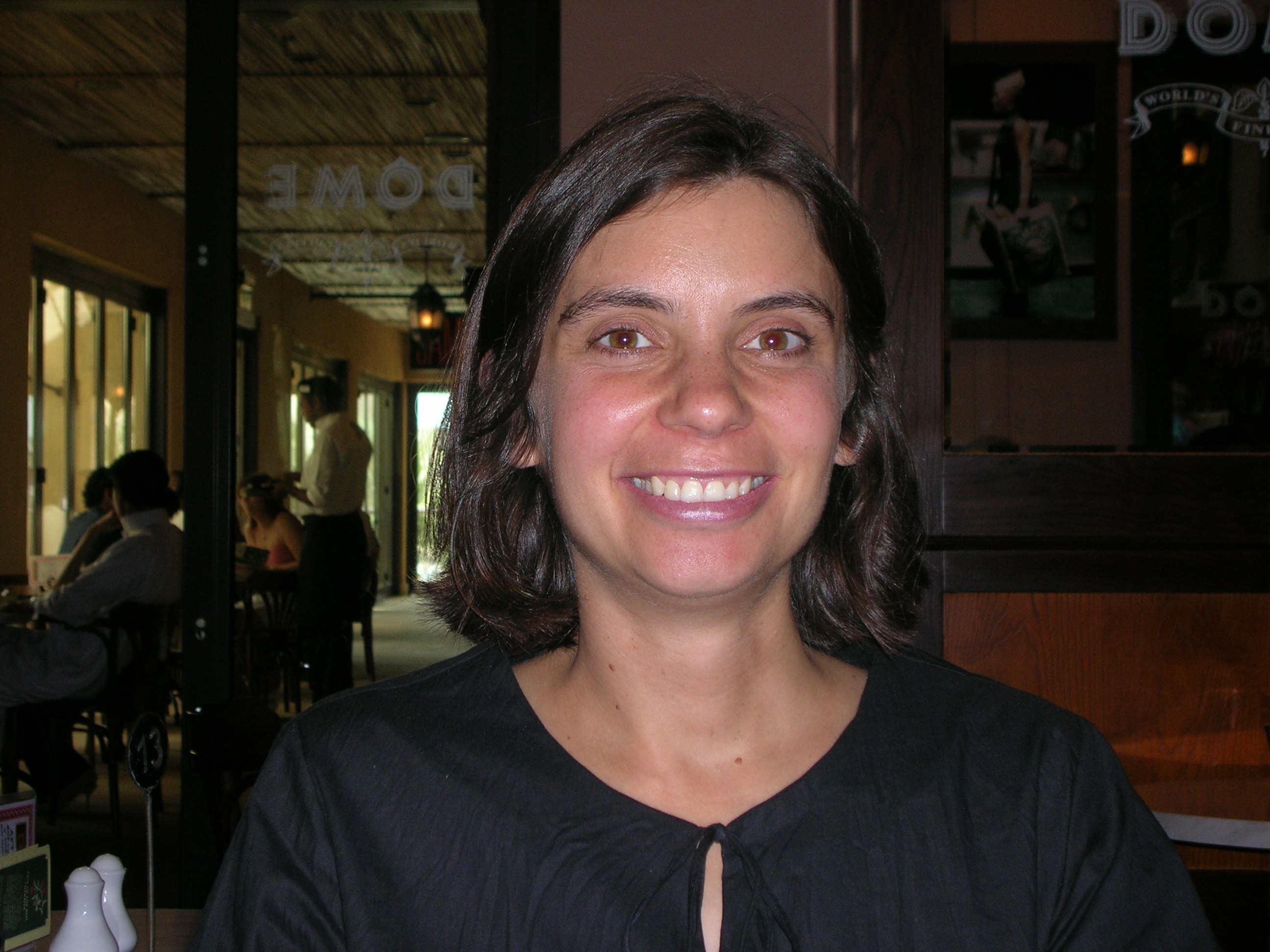
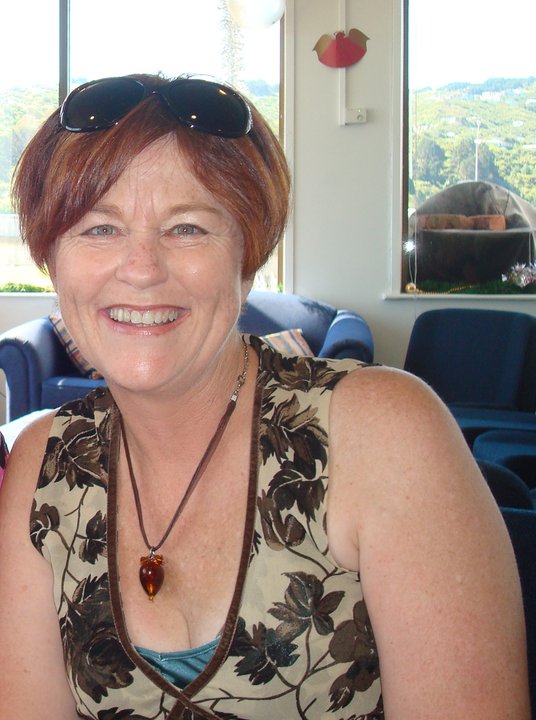
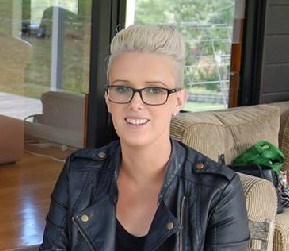
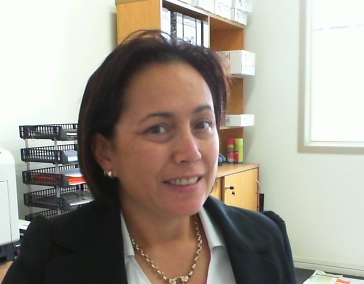
Angela Tovey has helped more than 50 women through breast cancer diagnosis and treatment in her role as an Auckland GP, but on Christmas Eve last year she was herself confronted with the disease. 

“That was a lovely Christmas present,” she laughs.  “It was a bit grim and I had to wait three weeks before I could have surgery or before I could find out what type of breast cancer I had. It’s a long time to wait when you’ve just been diagnosed with cancer,” she says.

The 59-year-old’s breast cancer was discovered after she’d been for her annual mammogram and ultrasound.  She chose to have yearly breast screening because she’d been taking Hormone Replacement Therapy (HRT) for more than ten years and prolonged use of HRT can increase the risk of breast cancer.

Her ultrasound and mammogram came back clear, but Angela was still worried by a niggle in her left breast and decided to see a breast surgeon.  The surgeon did a physical exam and discovered a lump that didn’t feel quite right.  A further ultrasound and biopsy revealed that it was breast cancer.

Angela then made a radical decision.  Even though the cancer was only found in her left breast, she decided to have a double mastectomy.

“The tumour had been hard to see and I just didn’t want to risk that happening again in the other breast.  I thought, if I’m losing one breast, I’ll always be worrying about the other one so I might as well have them both off,” she says.

She had her double mastectomy in January this year.  Both breasts and 29 lymph nodes from under her left arm were removed. 

“When they took the bandages off, I howled my eyes out.  I wasn’t ready to see my chest, but over the next few days I started to take a peek and it was okay,” she says.

Angela says that was one of her lowest moments, but she’s tried to remain stoic throughout her treatment.  She made a list of the pros and cons of getting breast cancer.

“The pros included not having to wear a sports bra when I rode my horse,” she laughs.  “I guess I didn’t dwell on things because I have seen so many women go through breast cancer and I know that for most women it’s just a bump in the road and everything turns out alright. “

Angela’s mastectomy was followed by chemotherapy and like many women she says she found losing her hair one of the hardest parts of chemotherapy treatment.

“I did have a bit of a fit when my hair started to fall out.  I was hoping that it wouldn’t, but of course it did.  Big clumps just fell out all over the place so I decided to have it all shorn off.”

Angela says her experience of breast cancer has highlighted the importance of breast examination.

“I firmly believe that women should have their regular mammograms, but they should also have their GP do a breast examination. That’s how my cancer was found and I know that working as a GP I’ve found about ten breast cancers in other women that way.  It’s really important.”

Angela also believes women with breast cancer should rely on their GPs more during diagnosis and treatment.

“Your GP can be a great support as you go through breast cancer treatment so make sure you use them.  Don’t be shy about asking for help and if you’re depressed visit your GP straight away.  You don’t need to put up with depression and it won’t help with your healing either.”
Stay Positive, Act Positive.

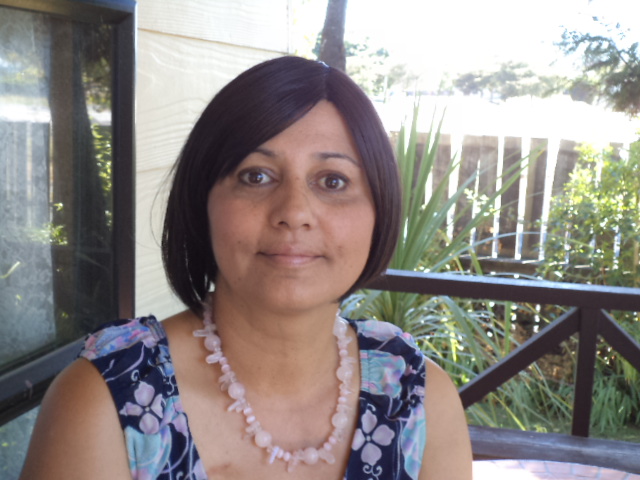
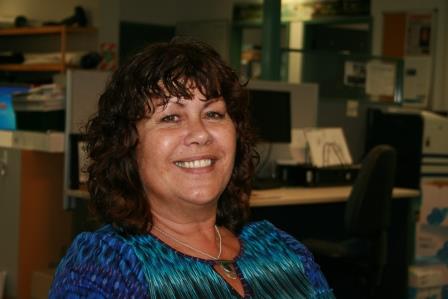
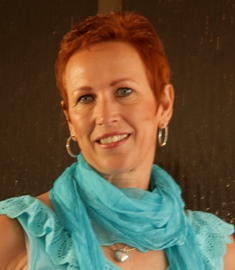
Whetu Pickering was diagnosed with a particularly aggressive form of breast cancer, known as triple negative breast cancer.

She was 40 when she found a lump under her arm and went to get it checked out.  She didn’t believe she could have breast cancer and thought the lump might be related to treatment she’d just finished for Deep Vein Thrombosis (DVT).

But investigations revealed that it was breast cancer and Whetu then had a partial mastectomy, chemotherapy and radiation therapy.

“At that time, I wasn’t especially worried for myself, I was worried about how it was going to affect my family, especially my son.  He’d had two friends who had lost their mums to breast cancer so I knew he’d be scared I was going to die. He was my focus and I soldiered on for his sake.”

Whetu says she kept in a positive frame of mind throughout her cancer treatment in order to stay strong for her son and her family.

In return, she says her friends and family, including her son, husband, mother and sister, offered her a mountain of support which kept her going.  She continued to work full-time throughout her cancer treatment.

“I just tried to stay positive and act positive.  I didn’t want to dwell on the negative so I just carried on as normal and continued to work and do other things.  In the end, it was like I’d had the common ‘flu rather than cancer,” she laughs.

Whetu believes a positive attitude is extremely important as you go through breast cancer treatment. 

She says she also found BCAC’s Step by Step helpful in explaining the disease and different treatments.

Whetu did get genetic testing to find out whether she had the BRCA gene, but she came back clear which was a relief to her and her female relatives.  

She says, “I do sometimes worry about the breast cancer returning, but we just have to hope that it doesn’t come back”.


The hardest part was telling my family

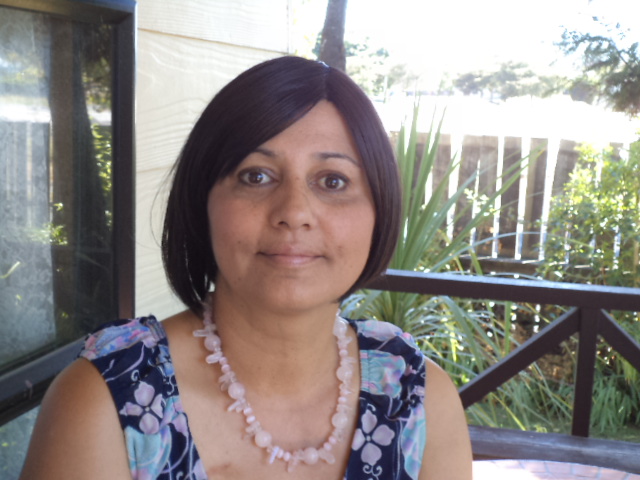
Rebecca Hawkins was only 40 when she was diagnosed with breast cancer and says BCAC’s Step by Step support pack helped her to understand and process her diagnosis and treatment.

The mum-to-four-boys was diagnosed after her GP sent her for a mammogram when he found lumps in her breast following a regular breast exam.

The mammogram identified fibroadenoma, which are small benign lumps in the breast.  Her GP sent her to a breast surgeon, who then did a biopsy which revealed a cancerous tumour.

The diagnosis stunned Rebecca.  “It was such an absolute shock and I had a really tough week at the beginning wondering if I was going to die.  It was so hard to tell my boys, knowing how upset they would be, but they were so supportive.  They all wore pink ribbons because ‘their mum had breast cancer’.”

Rebecca had a partial mastectomy and radiation therapy.  She is now taking tamoxifen.  She says the Step by Step support pack travelled the treatment journey with her.

“It was so helpful.  I found myself referring to it all the time to learn more about breast cancer and the treatments.  It really helped me process all that I was going through.”

Rebecca says her experience has taught her the value of regular breast screening.

“I really want to let women know how important it is to get a mammogram.  I thank God they discovered my cancer when they did.  If the cancer is discovered early, the treatment is straightforward and the survival rates are good.  Please get a mammogram.”

Mammograms save lives!

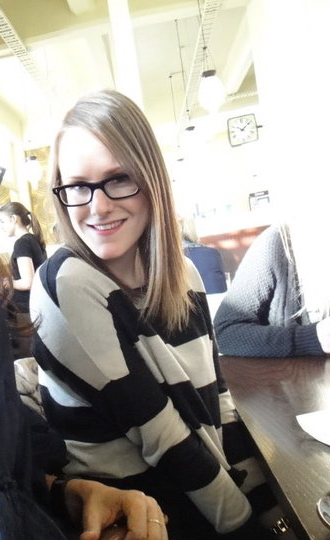
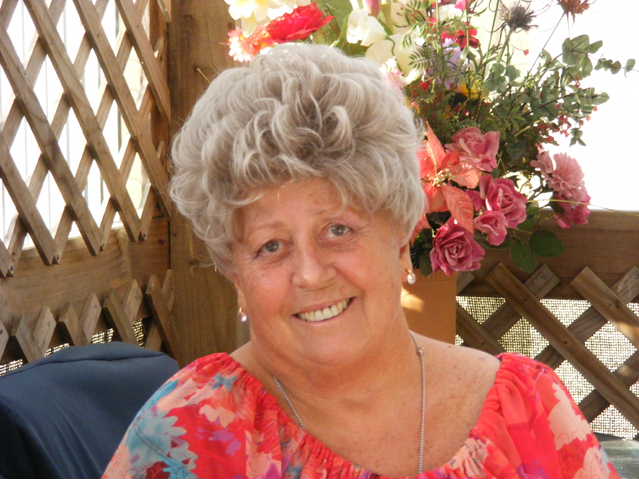
Penelope was diagnosed with HER2-Positive breast cancer after a regular mammogram. 

It was only the second mammogram she’d been for, but something untoward was identified and a biopsy revealed that she had breast cancer.  “That mammogram saved my life,” she says.

Penelope had a full mastectomy, chemotherapy, radiation treatment and is currently being treated with Herceptin and tamoxifen.

The 49-year-old’s treatment was complicated by other health issues and she frequently collapsed due to anaemia exhaustion. 

“The treatment was tough. After surgery I felt like I had been hit by a train and the chemotherapy does so much damage to your body.  I found it hard and overwhelming, but I want other women to know that it really does get better.”

Penelope says she carried BCAC’s Step by Step support pack with her right the way through treatment.

“The Step by Step was my bible.  It answered every question I could think to ask.  I don’t know where I would have been without it,” she says.

Penelope says she’s now very focused on staying fit and healthy.  She’s learned that she needs to limit the stress in her life.

“I realised, for the first time in my life that I had to put myself as number one.  I had to concentrate on my health and my body and let go of everything else.  And now I’m looking after myself and I feel a lot stronger and a lot less stressed.”


Young women can, and do, get breast cancer

Greer Davis knows a thing or two about cancer.  Her Mum has had breast cancer.  Her Dad died of a brain tumour in 2009.  And at the age of only 25, Greer herself was diagnosed with breast cancer.

The Auckland woman was shell-shocked to discover in 2012 that she had an aggressive form of breast cancer at such a young age. 

“I freaked out.  You just get this knot of fear in your stomach because it’s all so unknown and when they start talking about mastectomies it’s all quite scary,” she says of her diagnosis.

She had sought medical help when she discovered a lump in her breast after several months of tenderness.

A subsequent ultrasound, mammogram and biopsy showed that she had a particularly aggressive form of breast cancer.  She had a mastectomy two days after her diagnosis.

“It was pretty traumatic the first time I looked down and realised my right breast wasn’t there.  I freaked out a bit.  But I was very clear that I wanted the cancer gone - I wanted it out of my body and this was what I had to do.”

Because Greer’s cancer was aggressive, she was told she should follow her surgery with chemotherapy.  As a young woman, she had some concerns about this because chemotherapy can often result in infertility.

“I saw a fertility specialist before I had chemotherapy and that was great because it cleared up a lot of issues for me.  I am young and there’s a good chance I will bounce back and if my fertility doesn’t return I always have the option of using a donor egg from one of my younger sisters.”

Not all young women have a consultation to discuss their options with a fertility specialist before chemotherapy, so Greer’s grateful she had this opportunity.

She had chemotherapy for six months and continued to work in her sales and marketing role for Unilever.  She says losing her hair was one of the hardest parts of the treatment. 

“I felt like I was more attached to my hair than my breast,” she laughs. “But once my hair started to fall out, I just wanted to get rid of it so I shaved it all off.”

Greer finished chemotherapy and started taking the breast cancer drug tamoxifen.  She’s also been tested for the breast cancer genes (BRCA1 and BRCA2). 

Although she doesn’t have the BRCA genes, she does have an undefined genetic variance which means that she needs to have annual breast screening.  Her two sisters have been advised to do the same and her mother is now also undergoing genetic testing.

Greer says her mother has provided her with a mountain of support. 

“I moved home as soon as I was diagnosed.  My mum’s had breast cancer herself and she was the primary carer for my Dad when he was terminally ill, so it was a hard situation.  But she has been amazing and we were always quite positive that I’d get through it all.”

Greer says she does have fears about the breast cancer recurring, but is determined to remain extra vigilant and live her life to the full.

Now 26, Greer says it will be challenge to date as a breast cancer survivor.

“It certainly creates a new dimension to any potential relationship.  It does change you and it changes your outlook and expectations of a partner.  And it certainly makes you a bit more guarded in terms of your body image and self-esteem, but it’s not something I’m scared of telling a potential partner about,” she says.

Greer has just recently had reconstruction surgery, but she wants other young women to learn from her experience.

“Women really need to be aware of their bodies, pay attention to any changes and seek medical help if they think something’s not right,” she says.  

“I think young women often think that breast cancer is something that only happens when you become older. But young women can and do get breast cancer.  And if you’re a young woman you need to follow up on any changes early to give yourself the best chance of survival.” 

As part of her commitment to educating other young women about breast cancer, Greer has joined the Breast Cancer Aotearoa Coalition (BCAC) as a committee member.  BCAC helped her attended a conference in the USA specifically for young women with breast cancer (C4YW 2013).

Greer was impressed with the resources and support that young women with breast cancer receive in the US and is keen to see what can be done in New Zealand.

I'm living with cancer, not dying of cancer

Breast cancer has dealt Angela Litterick-Biggs a death sentence.  But the Wellington woman refuses to accept defeat and lives her life with an energy and passion that’s truly extraordinary.

It was Angela Litterick-Biggs’ worst birthday ever.  On the day she turned 41, only a couple of years after her mother died of cancer, Angela was told she had breast cancer. 

A week later she was told that the cancer was incurable. It had spread from her breast to her spine.  Doctors could not cure the cancer.  They could only try to control it. 

Vivacious, fit and previously healthy, Angela was shell-shocked.  “It was just so surreal.  The situation was just so serious – there was a real risk my spine could have collapsed and I could have been left paralysed.  It was so hard to take it all in.  I was an emotional mess.”

Angela had sought medical help because she had been experiencing back pain.  She thought she had pulled a muscle in her back and was puzzled as to why it was not getting better.  A few months after she first experienced the back pain she found a lump in her left breast.

Her specialist told her the cancer was so advanced that a mastectomy was not an option.  So for the past four years, Angela has endured a succession of treatments, including radiation therapy, surgery and various chemotherapy drugs, in a bid to curb the spread of the cancer. 

These have helped, but they are usually only effective for a short time.  When they no longer work, she moves onto another treatment.  Even so the cancer has continued to spread, from her breast and spine to her bones.

Living with cancer

“I have experienced a lot of pain over the past few years. At times, I was in excruciating pain. But I also became quite pragmatic about what I needed to do to try and be healthy. 

“And I did a lot of research into what I could do to help myself.  I looked at evidence-based therapies and worked out that support groups could help me. I also learned that the mind is a powerful organ – staying positive is crucial.”

Angela had only recently moved to Wellington when she was diagnosed with advanced breast cancer.  She knew very few people and so the various support groups she joined became a life saver.

“You know, there are actually a lot of people in New Zealand with cancer and a lot of them are doing really well.  At the beginning, I joined online support groups, but now I belong to a couple of groups in Wellington and it’s so great to speak and share with other people who are going through the same thing as me.”

Angela says she’s slowly come to terms with the fact that she has a disease inside her.

“Sometimes it’s just really hard and sometimes I spend a lot of time crying.  It’s frightening and scary at times, but it’s not all doom and gloom. Cancer is just a label - it’s not who I am. I know that cancer will get the better of me, but I can still live my life the way I want.  I am living with cancer, not dying of cancer.”

Angela has made a pact with herself that if she’s ever feeling blue for more than three days she calls a friend to talk about what she’s going through. 

“Sometimes that can be hard because I don’t always like asking for help, but I know it’s really important to ensure that I’m mentally and emotionally strong.”

Working and finding love

Another saviour is her job. Angela has worked full-time ever since she was diagnosed in 2008.  She works as an educational psychologist for the Ministry of Education and is passionate about her challenging and rewarding career.

“I work with children who need intensive help in the education system and I just love my job! I’m working because I still have something to contribute and I also have a very busy mind so I need to be doing something.  And I have to pay my mortgage,” she laughs.

The 45-year-old says she would love to meet a man to share her life with, but it’s hard to find the right guy when you have incurable cancer.

“I have tried internet dating and I had some success, but as soon as they find out you have cancer they run for the hills.  It’s really hard because I really would like to meet someone.”

Angela says some friendships have also been difficult as people have struggled to see past the cancer or to make allowances for the fact that she’s not always available or healthy due to medical treatment.

But she says she’s been touched by some incredible people over the past four years. She says organisations like BCAC are fantastic for women with breast cancer and the Step by Step support pack is a great resource.

“My message would be one of hope.  There are a lot of people out there who understand and who will help you no matter what.  Whatever you are going through and however hard it is, you can still live your life your way.”

I'm 'living with' cancer, not dying of cancer

Breast cancer has dealt Angela Litterick-Biggs a death sentence.  But the Wellington woman refuses to accept defeat and lives her life with an energy and passion that’s truly extraordi

Show Your Heart for Women Living with Breast Cancer

'Show your Heart' was a fundraising campaign BCAC held in 2012. While this campaign is no longer running you can still contribute to BCAC via our donation page. We are very grateful for all donations we receive.

Show your heart for women living with breast cancer by donating to BCAC to help us make life better for New Zealanders with breast cancer and their families.

You can make a contribution by donating to BCAC directly here.

Find out more about the breast cancer survivors supporting BCAC:

 Judith Turner: "I've got plenty of years left in me"


Judith was diagnosed with breast cancer after she had her last free mammogram at 69.  A mere six months later she was diagnosed with breast cancer in the other breast at the age of 70.  Judith believes older women tend to believe that they are won’t get breast cancer as they get older.  She wants older women to continue to be breast aware and seek help if they notice any changes. Read Judith's story here.


Ally Armstrong: "I'm passionate about improving women's breast health"

Ally, a mother-of-six, was diagnosed with breast cancer at 47. She'd watched her mother die of cervical cancer so to her cancer was a death sentence, but the Hamiltonian found great strength in learning everything there was to know about breast cancer.  She's now cancer free and passionate about encouraging other women to get regular mammograms. Find out more about Ally here. 
 

Emma Crowley: "Don't be naive enough to think it won't happen to you"

Emma was just 24 when she was diagnosed with breast cancer.  It came as a shock to the now lawyer and mother of a young daughter.  Her cancer was extremely aggressive and she had an experimental regimen of chemotherapy before she had a mastectomy.  Having undergone breast reconstruction, she wants to warn young women not to be complacent about breast health. Find out more about Emma's story here. 
 

Hannalie Bergmann: "Battling breast cancer and earthquake red zones"

Hannalie, a Christchurch teacher originally from South Africa, was diagnosed with breast cancer a few days before the February 2011 earthquake.  Her cancer was aggressive and to begin with Hannalie felt there was no hope, but she forged on and went through treatment while having no home to live in.  She says the support she received from New Zealanders has been amazing.  Read more here. 

 Rosina Watt: "Share your experience - it helps to talk"

A visit to the doctor about a cyst in her neck turned into a breast cancer diagnosis for Ohope's Rosina Watt.  The 67-year-old underwent treatment for breast cancer at the same time as her step son was receiving treatment for the bowel cancer which eventually claimed his life.  Rosina says counselling helped her through the tough times and wants other women to be ever vigilant about their breast health.  Read more from Rosina here. 


 Nell Rowarth: "Don't imagine the worst"

Papamoa's Nell Rowarth was diagnosed with breast cancer at age 59 after going for a mammogram check-up "to be safe".  She negotiated her way through treatment with the aid of BCAC's support and information pack, Step by Step.  She wants other women to learn from her experience and always get their mammograms.  Find out more about Nell here.


Marcia Sinclair: Get a mammogram, whether you're young or old"

Marcia Sinclair had never had a mammogram when she was diagnosed with breast cancer.  The Palmerston North woman had been put off getting a mammogram after hearing stories of discomfort from other women - it's a decision she regrets.  Now she tells all women - young and old - to get regular mammograms. Read about Marcia's breast cancer journey here.


Issues for young women with breast cancer

Around 150 women under the age of 40 will be diagnosed with breast cancer in New Zealand each year and these women face many concerns that their older counterparts do not have to confront.