

Latest News

A recent study has found a further link between low vitamin D levels and premenopausal breast cancer.
The study, by researchers from the University of California, San Diego School of Medicine, examined 1,200 healthy women and found that those whose serum vitamin D levels were low during the three-month period just before diagnosis had approximately three times the risk of breast cancer as women in the highest vitamin D group.
Several previous studies have shown that low serum levels of vitamin D are associated with a higher risk of premenopausal breast cancer.

Nearly a quarter of breast cancer surgery patients experience significant and persistent pain up to six months after surgery and new research shows that women with pre-operative breast pain have the highest risk of extended post-surgical pain.
The study, published in the Journal of Pain and conducted by researchers at the University of California San Francisco, followed 400 breast cancer patients every month for six months.
It examined the incidence of Neuropathic pain (NP) which is defined as pain arising as a direct consequence of a lesion or disease that affects the body’s sensory system. It can be a debilitating condition and can manifest as burning, pins and needles, coldness, numbness or electric shocks.

Pinc & STEEL is more than an exercise regime - it is a personalised therapeutic programme that is offered to women recovering from cancer surgery and related treatment. All women with cancer are eligible to participate in the programme, from the newly diagnosed to women 25+ years after their initial cancer diagnosis. The Pinc & STEEL programme was previously known as Pink Pilates. For each woman, the programme consists of a course of 10 individually designed and delivered treatment sessions with a qualified physiotherapist. It is suitable after any type of cancer surgery or treatment and accommodates all fitness levels.

Lymphoedema can be a debilitating side effect of breast cancer surgery if not managed carefully, but research is moving apace to help women with the disorder control it better.
Auckland physiotherapist and lymphatic therapist, Deborah Hurt, describes lymphoedema as the swelling of the arm, hand, or chest wall caused by a build-up of lymph fluid in those tissues. She recently attended the Australasian Lymphology Association’s biennial conference in Cairns and offers this summary of papers related to breast cancer presented at the conference.

BCAC is thrilled that one of New Zealand’s foremost breast cancer researchers has been acknowledged in this year’s New Year’s Honours list.
Waikato-based surgeon, Associate Professor Dr Ian Campbell, has been made an Officer of the New Zealand Order of Merit (ONZM) for his services to breast cancer treatment and research.
BCAC chair, Libby Burgess, says Dr Campbell is renowned for his dedication to ensuring the very best outcomes for those diagnosed with breast cancer.
“Dr Campbell is a dedicated, intelligent and high-achieving surgeon, researcher and breast cancer clinician. He is much loved and respected by patients and colleagues alike.

Nic Russell's life changed forever in April 2005 when her daughter Kenzie was diagnosed with cancer. Two months later Nic too was diagnosed.
Kenzie died at christmas that year, so this is always a very challenging time for Nic, and she thinks more about the families facing the same trauma at christmas time - and wants to give them the gift of support at this time of year.

The American Society of Clinical Oncology (ASCO) has listed two breakthroughs in breast cancer research among the top 17 cancer advances for 2012.
The results come in the Society’s annual report highlighting major research advances in cancer treatment and care this year.
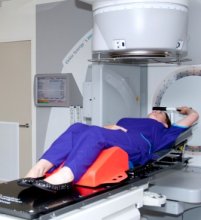
A lower total dose of radiotherapy, delivered in fewer, larger treatments, is as safe and effective at treating early breast cancer as the international standard dose, according to a major study.
The results of the Cancer Research UK START trial, which involved nearly 4,500 British women, were presented at the recent San Antonio Breast Cancer Symposium.
The ten-year follow up results supported the initial five year results which showed that it was just as effective and safe to give women a lower total dose of radiotherapy in fewer, larger treatments than the 25-dose international standard.
The new treatment routine also resulted in less damage to normal breast tissue, involved fewer trips to hospital, and offered cost savings for the health service.

New Zealand women with triple negative metastatic breast cancer may be eligible to participate in a clinical trial examining the benefits of the drug Tamoxifen to control the growth and spread of cancer cells.
About 15 per cent of all breast cancers are defined as triple negative, which means the cancer is not driven by either of the hormones oestrogen or progesterone, nor by the HER2 protein.
Triple negative breast cancer is often more aggressive than other types of breast cancer and women may have a poorer prognosis because the disease is more likely to spread to other parts of the body.

Breast Cancer Network is losing one of their longest standing committee members.
From 1975 to 1996 Barbara was a scientific officer for the Auckland Breast Cancer Study Group and then employed on a Health Research Council Grant studying insulin-like growth factors in breast cancer. During this time Barbara Holt invited Barbara to meetings of Breast Cancer Network (then known as Breast Cancer Action) and she has been on the committee since 1998. Leaving oncology nursing and entering research satisfied Barbara's desire to contribute to prevention and cure of cancer.


